
Marine Life
Audio Guide
What Is Marine Life? — A Friendly Guide to the Ocean’s Living World
I. What Do We Mean by “Marine Life”?
“Marine life” refers to all living things that inhabit the ocean and salty waters connected to it. This includes animals, plants, algae, fungi, tiny microorganisms, protists, and even viruses.
These ocean dwellers are key players in the marine ecosystem. Together, they create the vast, complex, and mysterious world beneath the waves.
Life on land actually began in the ocean. Early vertebrates lived only in water before some evolved into amphibians. Over millions of years, certain vertebrate groups eventually became mammals that moved onto land—though some, like seals, dolphins, and whales, later returned to the sea. Plankton, meanwhile, sit at the very bottom of the marine food chain and support nearly all ocean life.
Many marine organisms have developed fascinating adaptations to survive. Some invertebrates breathe using siphons, fish use gills, and marine mammals—such as dolphins, whales, and sea otters—must come to the surface regularly to breathe air.
II. Why Is Marine Life Important?
🌍
A Huge Home for Life
The ocean is Earth’s largest habitat, providing about 90% of the planet’s living space.
🐠
A World Full of Biodiversity
Scientists have identified over 240,000 marine species, but countless more are still waiting to be discovered.
♻️
Essential for Earth’s Balance
Marine life helps keep ecosystems stable, drives important natural cycles (like the carbon and nitrogen cycles), provides food and medicine for humans, and even helps regulate the climate by absorbing carbon dioxide.
III. Major Groups of Marine Life
Marine life comes in many forms, and here are some of the main groups:
Marine Animals
- Zooplankton: Tiny drifting animals like crustaceans and microscopic protozoans.
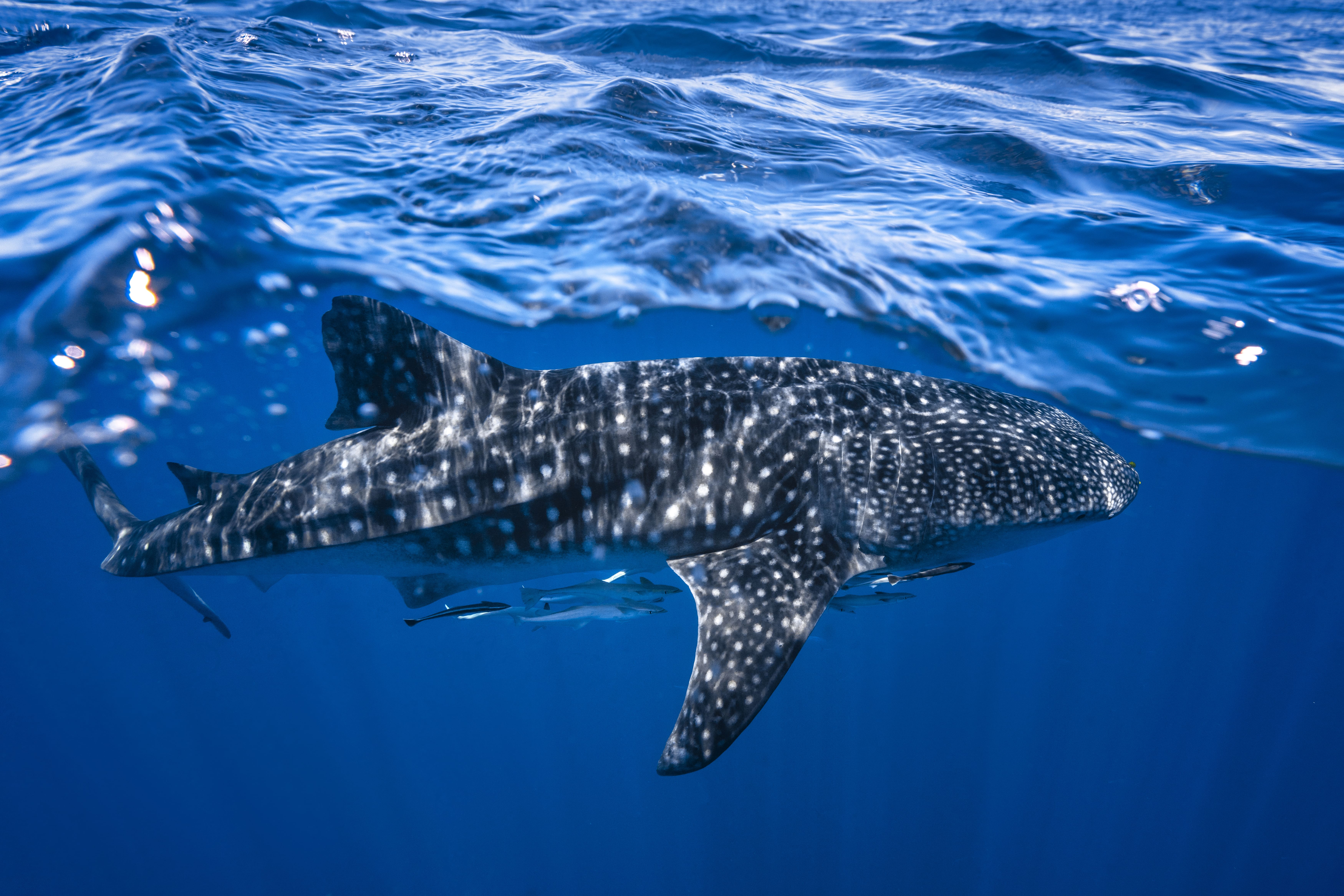
- Nekton: Strong swimmers such as fish, dolphins, whales, and sea turtles.
- Benthos: Creatures living on or near the seabed, including starfish, sponges, and crabs.
Marine Plants and Algae
Most ocean “plants” are actually algae, including seaweeds. Through photosynthesis, they produce oxygen and help form the base of the marine food web.
Marine Microlife
This group includes bacteria, fungi, viruses, and small protozoans. Though invisible to our eyes, these tiny organisms play vital roles in breaking down material and recycling nutrients.
Fungi and Simple Life Forms
The ocean also contains marine fungi and other simple microscopic organisms that contribute to food webs and ecological balance.
IV. Marine Life and the Ocean Ecosystem
Marine life doesn’t exist on its own—everything is connected. Ocean organisms interact through food chains and energy flow, and they influence the environment by helping cycle elements like carbon and nitrogen.
The ocean’s biodiversity is incredibly rich, and this variety of life is crucial for keeping marine ecosystems healthy and stable.
V. Fun Facts!
- Tiny phytoplankton and zooplankton may look insignificant, but they sit at the very beginning of the marine food chain.
- Deep-sea creatures can be unbelievably strange and amazing—from glowing fish to giant squid and oddly shaped invertebrates. These organisms have evolved incredible abilities to survive extreme depths.
- Scientists discover new marine species every year! A huge number of ocean organisms are still unknown to us.